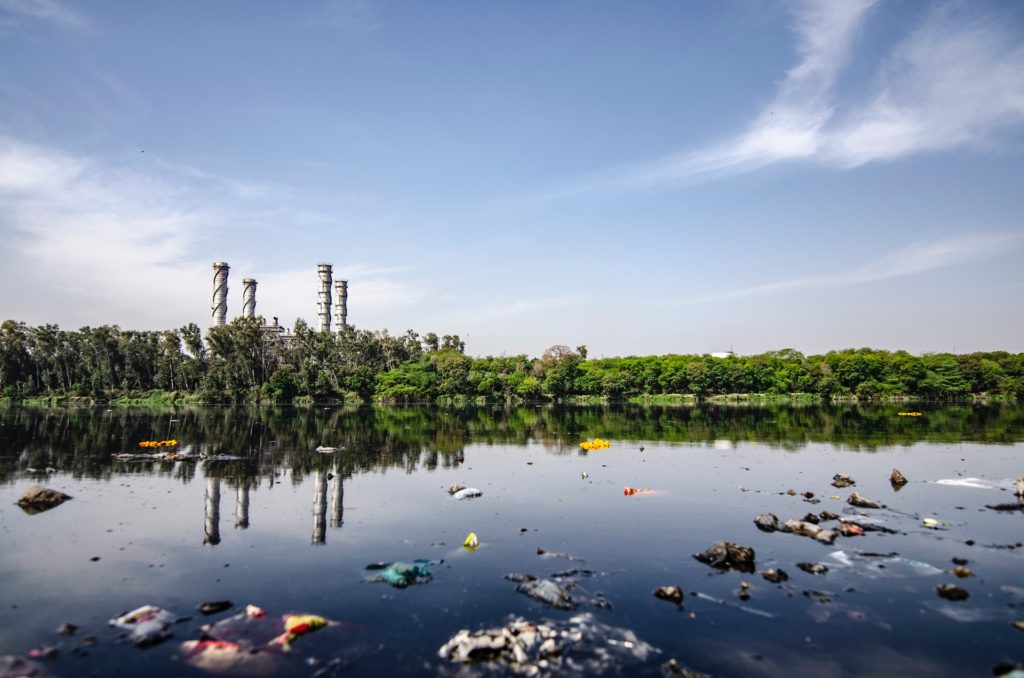
”Environmental pollution is an incurable disease. It can only prevented”
-Barry Commoner
Environmental pollution is defined as “the contamination of the physical and biological components of the earth/atmosphere system to such an extent that normal environmental processes are adversely affected.”
Depending on the nature of pollutants and also subsequent pollution of environmental components, the pollution may be categorized as follows:
1.Air Pollution
2.Water Pollution
3.Soil/Land Pollution
4.Noise Pollution
5.Radioactive Pollution
Among these types of pollution, air pollution is the main type threatening the environment, humans, plants, animals, and all living organisms.
Why is pollution prevention important?
Pollution prevention reduces both financial costs (waste management and cleanup) and environmental costs (health problems and environmental damage). Pollution prevention protects the environment by conserving and protecting natural resources while strengthening economic growth through more efficient production in industry and less need for households, businesses and communities to handle waste.
Specific pollution prevention approaches:
1.Reducing the use of water and chemical inputs;
2.Adoption of less environmentally harmful pesticides or cultivation of crop strains with natural resistance to pests; and.
3.Protection of sensitive areas.
 Famella's Blog